Will AI replace accountants? My answer after ten years
By Ariel Berger · October 27, 2026
Category: fintech-opinion
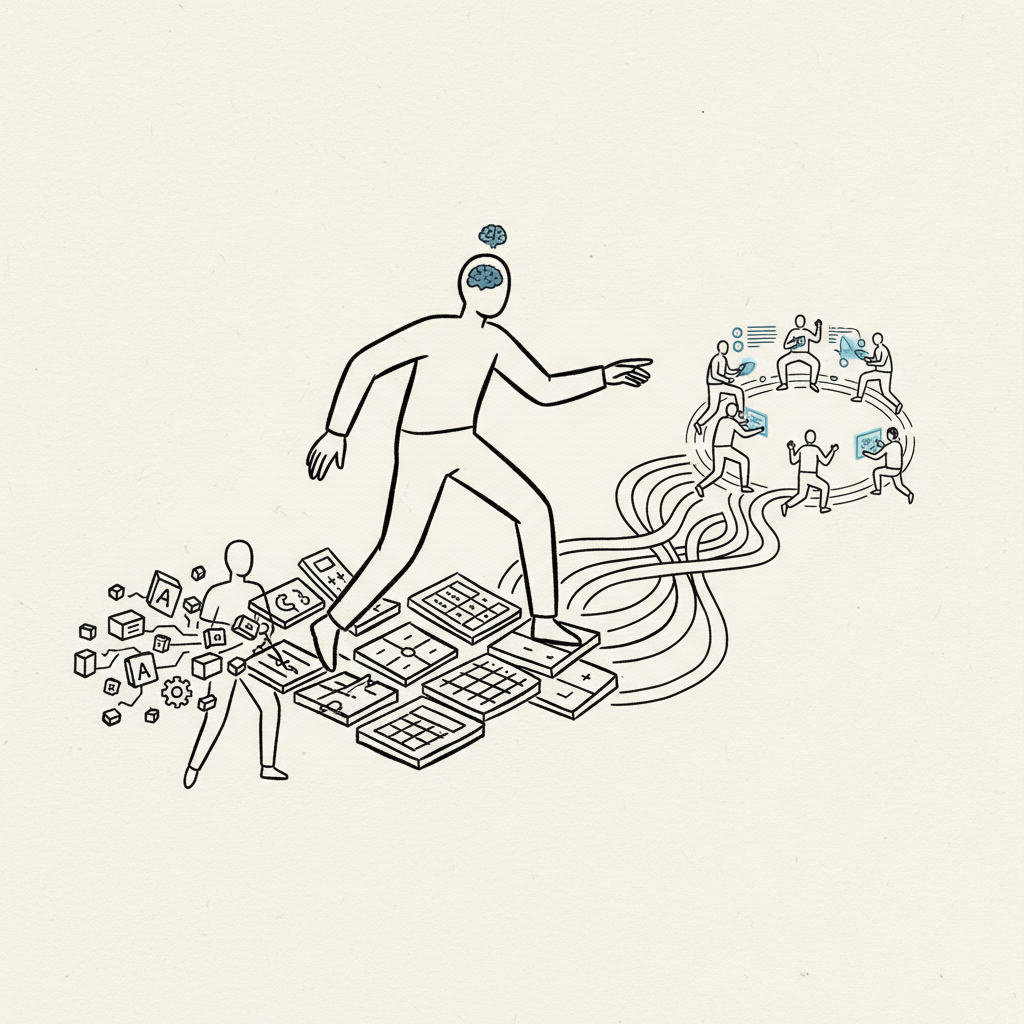
I built AI for accounting from 2016. I do not think it replaces accountants. I think it replaces a kind of work, and that distinction decides who is at risk.
Key takeaways
The problem Accountants hear that AI will replace them, and vendors and critics both argue from slogans.
Core insight AI removes tasks, not professions, and the tasks it removes are the ones that never required a professional's judgment in the first place.
Practical outcome Audit your own week, mark which tasks are matching and which are deciding, and move your time toward the second kind.
In 2016 we started building software that read invoices and coded them to a ledger. The question that followed us from the start was whether we were building a replacement for the people doing the work. I said no. I was not always sure I was right.
Ten years later, with far better models available, I am more sure. This is my opinion, and I will mark where it is only that.
The problem that started it
We saw skilled people spend their days on work that did not need skill. They retyped numbers, matched lines, and chased documents. The pattern was consistent enough that we built a company on it: Task Sheriff, founded in 2016 and acquired by Sage in March 2021.
What we measured with customers was about 10x less repetitive work, more than 600% more capacity and about 8x fewer mistakes. Those are the only results I will claim. Notice what they describe: less repetition, more capacity. They do not describe fewer accountants.
What we got wrong early
We assumed the hard part was reading documents. In 2016 it was. We spent a great deal of effort on supervised NLP and computer vision to extract fields reliably, and it was real work.
But once extraction worked, the hard part moved. The remaining cost was the exception: the invoice that does not fit, the vendor who changed banks, the entry that depends on a conversation. Software made the easy cases disappear and left the human cases standing.
I think this will keep happening. Each generation of tools clears the work below a line and leaves the work above it.
Tasks versus professions
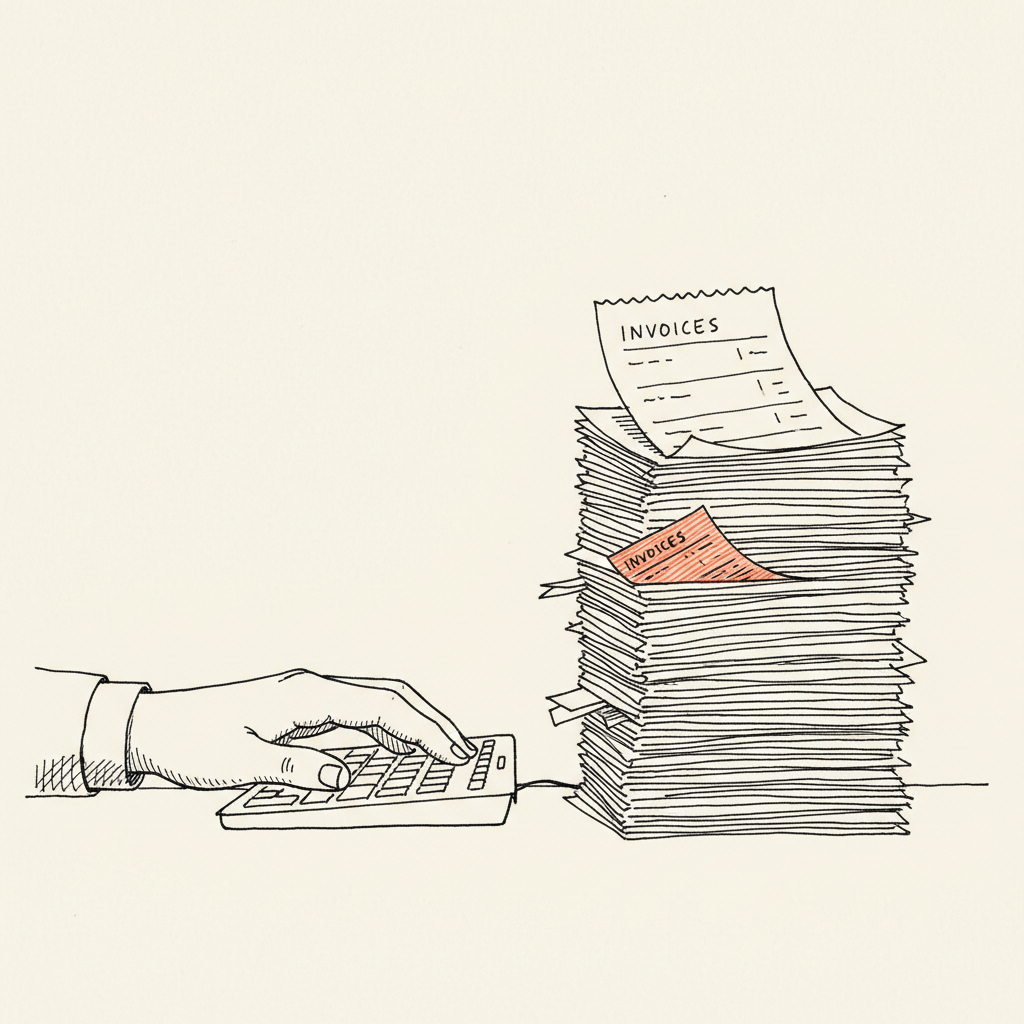
The question "will AI replace accountants" treats accounting as one job. It is a bundle of tasks with very different content.
- Matching and transcribing. Pattern work with a right answer. Machines already do much of this.
- Classifying under policy. Mostly pattern work, with edge cases. Machines assist, and people review.
- Estimating and judging. What is a reasonable allowance for a disputed receivable? People own this.
- Explaining and advising. Telling a board why margin moved and what to do. People own this too.
- Taking responsibility. A signature carries liability. Software cannot carry it.
If most of your week sits in the first two rows, your tasks are exposed. If it sits in the last three, your tasks grow in value as the first two get cheaper.
Where I think the fear is justified
I will not wave the concern away. Entry-level work has been the way people learn the profession. If software does the matching, where do juniors learn what a wrong match looks like?
I do not have a settled answer. I think firms must design the learning on purpose, with juniors reviewing the system's decisions and explaining the errors. That teaches the same instincts faster, but only if someone sets it up. If nobody does, the pipeline of future senior accountants thins out, and that is a real cost.
The professional bodies are working on how the profession adapts. The AICPA and CIMA publish material on technology and the profession, and it is worth reading from the source rather than through commentary.
What "agentic" changes
Agentic systems plan and carry out multi-step tasks within limits. That moves software from helping with a step to doing a whole chore, such as clearing a reconciliation queue. It is a real shift, and I do not want to downplay it.
Still, a system that acts inside limits needs someone to set the limits, read the exceptions and own the outcome. Agentic automation doesn't replace judgment. It protects it. But that protection only works if people keep exercising the judgment.
My bet, labeled as a bet
I think teams will get smaller per transaction and larger in what they cover. A company that once needed ten people to process its volume will process the same volume with fewer, and will ask the rest to do analysis it never had time for. Some companies will simply cut staff. I expect the better ones to redeploy, because the work above the line is where their competitors are weakest.
This is a prediction, and I have been wrong about timing before. I would not stake a career on a date.
What I would do this month
Take one ordinary week. List every task, and mark each as matching or deciding. Be honest about the proportions.
Then pick one matching task you can hand to a tool, and one deciding task you want more time for. Do the first so you can do the second. The accountants who thrive will be the ones who made that trade early and on purpose.